
Our production process is an engineered and controlled chain that ensures the quality of the final product at every step:
Extrusion process and thread production (Tape Extrusion):
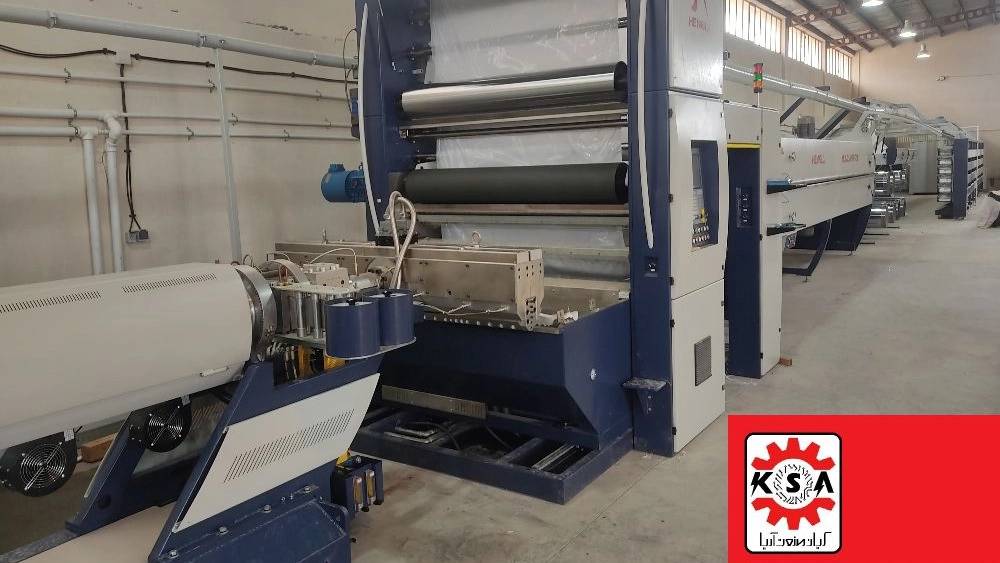
It all starts with choosing the right grade of polypropylene (PP) resin with an optimal melt flow index (MFI). After combining the raw materials with the necessary additives (such as color masterbatch, UV stabilizer), they enter the extruder, and after melting, they form a uniform molten film through a precise mold (T-Die).
The produced film is immediately cooled in a water bath (Quenching) and then cut into thin strips (Tape) with a specific width. These threads pass through a thermal oven and are subjected to longitudinal tension. This process, which is called "Molecular Orientation" (Molecular Orientation), has caused a significant increase in the tensile strength (Tenacity) of yarns and is a key characteristic of woven products. Denier or thread thickness is carefully controlled at this stage.
Weaving Process:
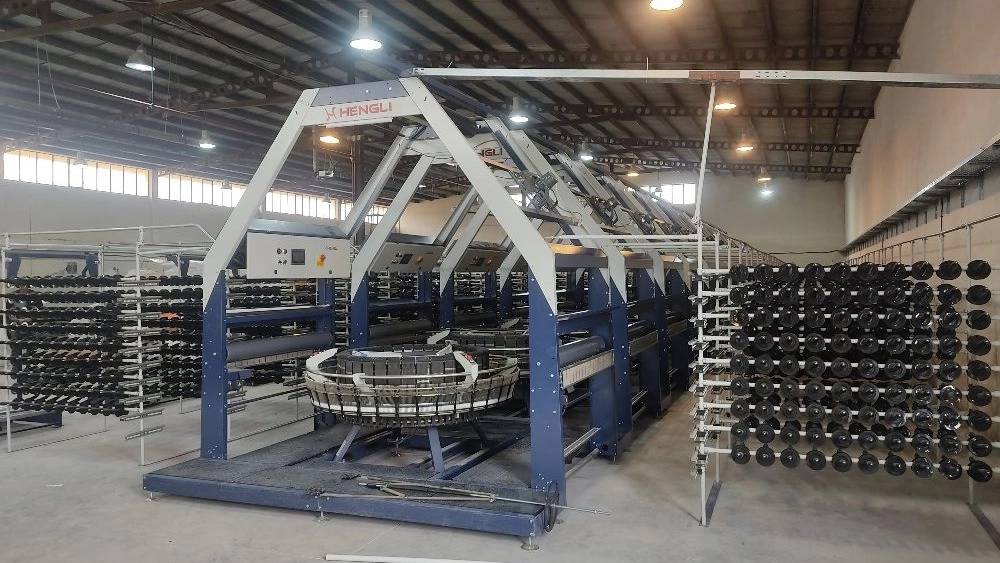
Production threads are wrapped on bobbins and transferred to the feeding racks of the spinning machine (Creels).
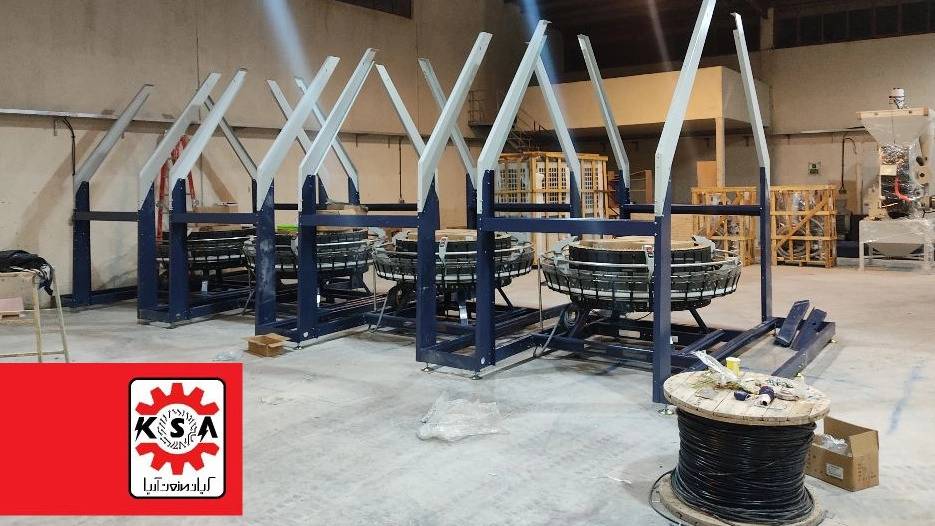
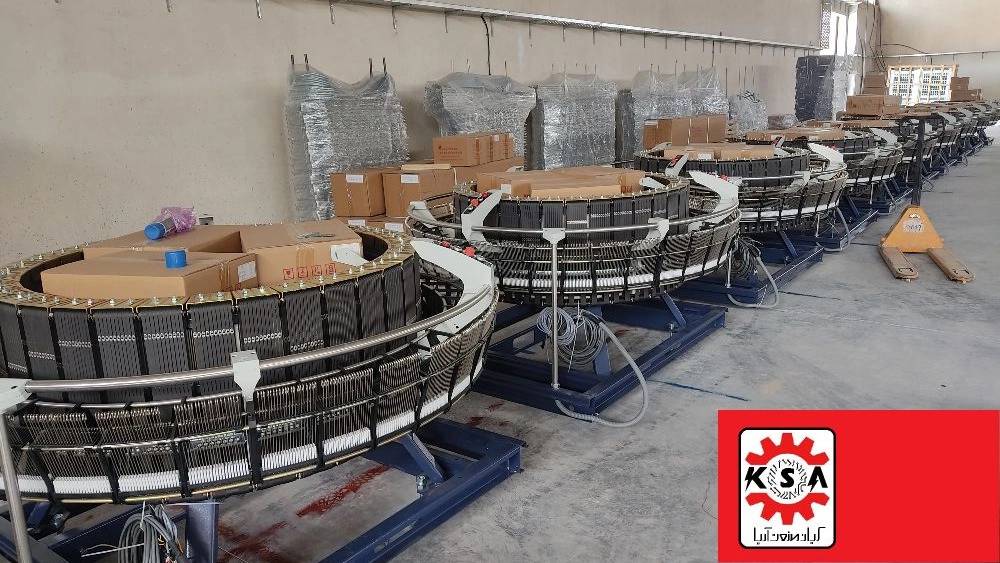
We use advanced circular looms, where the warp threads are fed from krill and the weft threads are woven into cylindrical and seamless tubular fabric by high-speed shuttles. This technology creates a fabric with uniform strength and no weak longitudinal seams. Mesh density, that is, the number of threads per inch, is one of the key parameters that directly affects the strength, air permeability and appearance of the fabric, and is adjusted according to the customer's order.
Finishing processes:
The cylindrical fabric produced is collected in large rolls. These rolls are our primary product and can be supplied directly to customers.
To produce bags, rolls are transferred to automatic cutting and sewing units. At this stage, the fabric is cut into specific lengths and bottom stitching is done with strong polymer threads.
Technical advantages of our products:
Optimum strength-to-weight:Thanks to the stretching process and molecular orientation, our products have the highest strength-to-weight ratio, which makes transportation and storage economical.
Resistance against tearing and wear:The interwoven structure provides high resistance to dynamic stresses and wear, which is vital for packaging heavy and bulk products.
Capacity of detailed customization: We are able to precisely control the production parameters:
Roll width: Production of rolls in different widths according to the needs of packaging machines (FFS) or other customer applications.
Fabric weight (GSM): Production of fabric with specific grammage (grams per square meter), from light to heavy fabrics, to match the weight and nature of your product.
Texture density (Mesh): Possibility of production with different densities for different applications (such as powder packaging or building materials).
Color and additives: Production in various colors and with special additives such as UV stabilizer to resist sunlight.
Product selection and order guide:
To ensure that you choose a product that exactly matches your needs, please specify the following parameters when ordering:
Product type:Fabric roll or sewn bag?
Dimensions:
For roll:width (cm) and length (meter) required.
For the bag:Length and width of the bag (cm).
Fabric Weight (GSM): Consider your product weight and shipping conditions. Higher grammage means more strength. (Example: for grain about 60-75 GSM, for cement 80-90 GSM).
Color: Desired color (usually white, yellow, or custom made).
Specific Requirements: Do you need UV resistance, lamination (for waterproofing), or printing on the bag?
To the management: Mr. Davrpanah